The Problem / Context
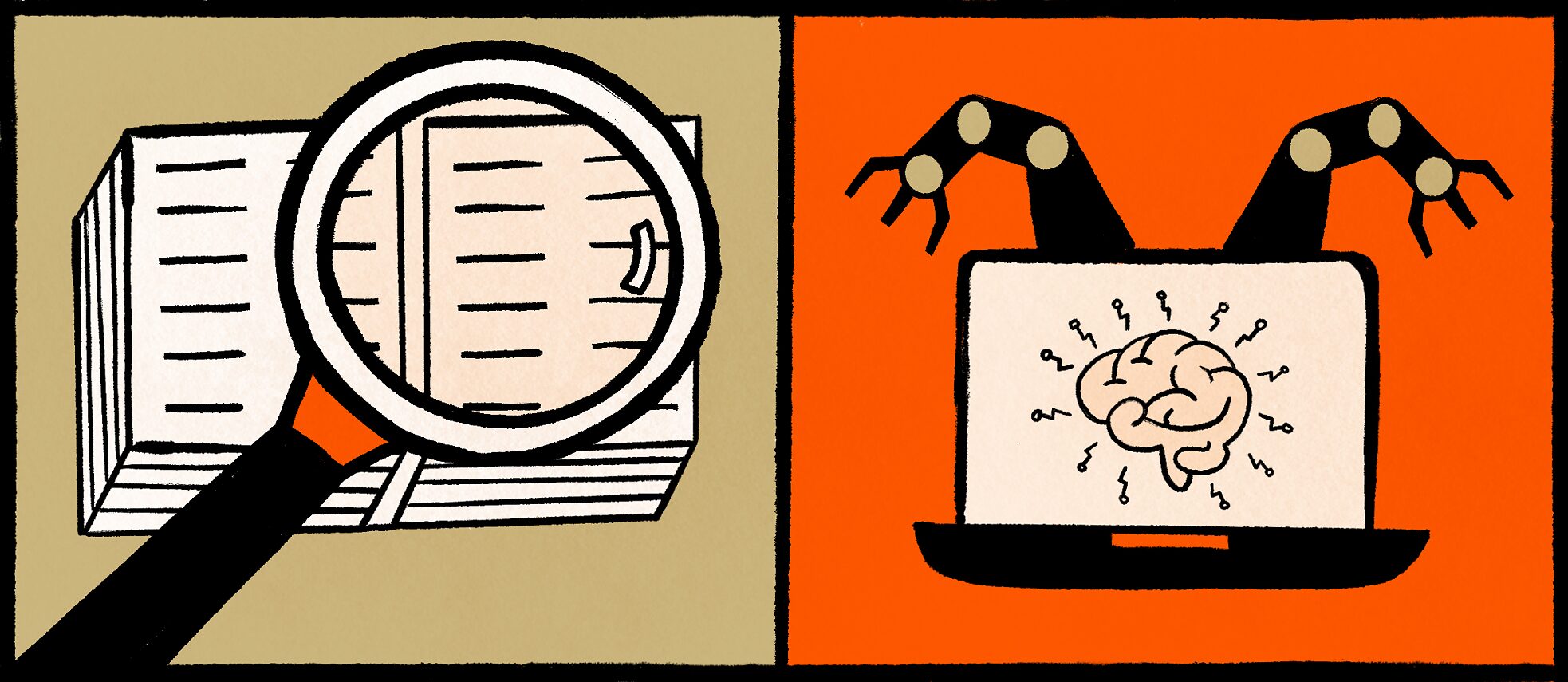
Machine translation systems learn from human-generated text, which means they inherit the biases embedded in language: gender stereotypes, racial assumptions, and the shifting weight of words over time. These problems are most acute in literary translation, where context, nuance, and authorial intent matter most, and where a single translation decision can carry significant cultural and ethical implications. The Goethe Institut brought together translators, developers, activists, and designers from around the world for a 52-hour hackathon to generate ideas for tackling bias in AI-assisted translation.
My Role
I joined the hackathon as the sole designer and researcher on a three-person team, alongside two engineers whose expertise was in building machine learning solutions. My contribution was to ground the team's technical thinking in a real understanding of how translators work, what decisions they face, and where a tool could genuinely help versus where it would get in the way of the craft and judgment that makes literary translation what it is. During the hackathon I led the problem framing and user-centred design of the concept. After winning, I continued the work by conducting six in-depth interviews with professional translators recruited through the Goethe Institut's own network of translators and language practitioners.
Methodology
Problem framing, opportunity identification, and concept development during the 52-hour hackathon, followed by six qualitative in-depth interviews with professional literary translators post-hackathon. Translators were recruited through the Goethe Institut's practitioner network. Findings were synthesised into recommendations delivered to the Goethe Institut covering tool design, translator workflows, and the broader future of human and machine translation.
Key Findings
The interviews revealed that literary translation is far more complex than a technical bias-detection tool can fully account for, and that understanding this complexity is essential to building anything useful.
Gender ambiguity was one of the most common and nuanced challenges translators described. For example, in German, gendered nouns make a character's gender explicit from the first mention, while in English gender may only become clear later through pronouns, or may never be stated at all. Translators working between languages are frequently forced to make a gender assignment where the original author made none, adding a layer to the story that was never there. Many translators resolve this by going directly to the author, making translation a collaborative act that depends on the author being alive and available.
The question of historically loaded language added further complexity. Words that were once in common usage but are now understood as slurs, or that carried different weight when a text was first written, present translators with choices that go beyond linguistics: whether to preserve the original word, explain it, or replace it, and what each decision communicates about the text and its context. These are judgment calls that shift as language and culture evolve, meaning a translation made ten years ago might need revisiting today.
The broader conversation that emerged was about the future of the profession itself. As machine translation becomes more capable, translators are increasingly working alongside AI tools rather than translating from scratch. The question of how to preserve the human judgment, cultural sensitivity, and authorial dialogue that defines good literary translation, and how to carry those values into the tools being built, became as important as the specific bias-detection concept the team had developed.
What I Delivered
A translation bias reduction tool concept that identifies and highlights sentences susceptible to racial and gender bias, helping translators focus their review where it matters most. Post-hackathon: six translator interviews, a synthesis report, and recommendations to the Goethe Institut covering tool design and functionality, translator workflow integration, and a proposal for longitudinal engagement with translators as AI translation technology continues to evolve rapidly.
Outcomes / Impact
First place at the Goethe Institut's Artificially Correct Hackathon, with a cash prize and continued mentoring and institutional support to develop the solution further. The Goethe Institut followed up with their translator network to continue gathering feedback on next steps. The questions the project raised about bias, human judgment, and the future of literary translation in an age of machine translation remain live and increasingly urgent as AI capabilities accelerate.